
Cutting or Grinding in Carbide Machining: Choose the Right Method
This article compares cutting and grinding in carbide machining, explaining how material, geometry, accuracy, and surface requirements affect process selection.
In tungsten carbide machining, cutting is chosen over grinding primarily due to higher efficiency, relatively better surface finish, and residual stress considerations. Grinding is more suited for machining round or square tungsten carbide parts, while cutting is better for processing irregularly shaped products. In the customization of tungsten carbide products, various processes are typically combined for use.
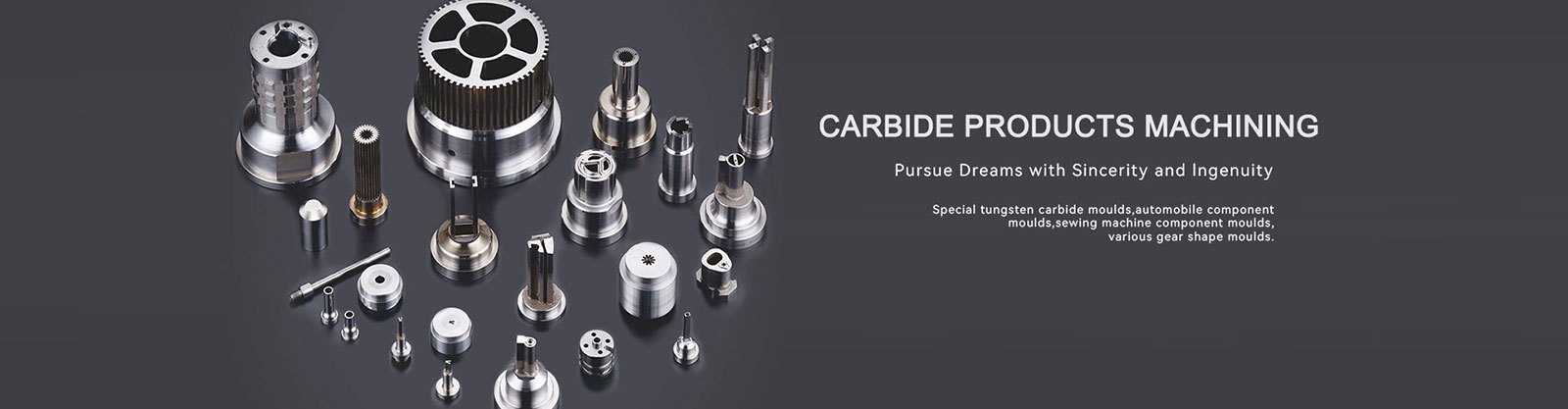
Our company specializes in the precision machining of carbide parts and mold components. Carbide materials, known for their hardness and durability, are integral to the production of long-lasting molds and precision components. We use various methods such as EDM, CNC machining, and grinding to process these materials. However, there are specific reasons why cutting processes are often preferred over grinding for certain carbide components.
Email: [email protected] | WhatsApp: +86 186 3895 1317 | Request a Quote
Advantages of Cutting Processes for Carbide Materials
-
Efficiency in Processing Time
- Cutting processes are generally faster compared to grinding, especially when dealing with super-hard materials like carbides with a Rockwell hardness above HRC67. This efficiency in processing time is crucial for meeting production deadlines and reducing operational costs.
-
Surface Quality and Lifespan
- Cutting provides smoother machining surfaces, which is critical for the longevity of the product. Smooth surfaces reduce wear and tear during use, thereby extending the lifespan of the mold components.
-
Reduction of Residual Stress
- Unlike grinding, cutting processes do not introduce significant residual tensile stress on the surface of the workpiece. Residual stresses can weaken the material, making it prone to failure under operational stresses. By minimizing these stresses, cutting enhances the structural integrity and durability of the carbide components.
-
High-Temperature Stress Relief
- For areas where grinding is necessary, our team implements high-temperature stress relief treatments post-machining. This additional step helps alleviate any residual stresses induced by grinding, although it adds to the processing time and cost.
Economic and Environmental Benefits

-
Extended Component Service Life
- Extending the service life of carbide components not only offers better value to customers but also contributes to cost savings in the long run. Longer-lasting components reduce the frequency of replacements, thereby saving on material costs and labor.
-
Conservation of Rare Metals
- Carbides contain valuable rare metals such as tungsten (W) and cobalt (Co). By enhancing the lifespan of these components, the company contributes to the conservation of these scarce resources, aligning with sustainable manufacturing practices.
-
Practicality in Maintenance
- In many industrial applications, replacing mechanical or mold components can be time-consuming or even impractical. Using components that have enhanced stability and longevity from the outset ensures continuous production without frequent downtimes for maintenance or replacements.
Conclusion
Our preference for cutting over grinding when processing certain carbide components is based on the efficiency, quality, and economic benefits this method offers. By choosing cutting, we not only ensure superior product quality but also support sustainable practices by extending component service life and conserving valuable resources. This approach meets our clients’ immediate needs while also reducing waste and enhancing long-term component performance.
Still unsure which tungsten carbide grade fits your application? Our engineers will recommend the most suitable solution based on your requirements. MOQ: 1 piece, with competitive low-cost pricing.


